
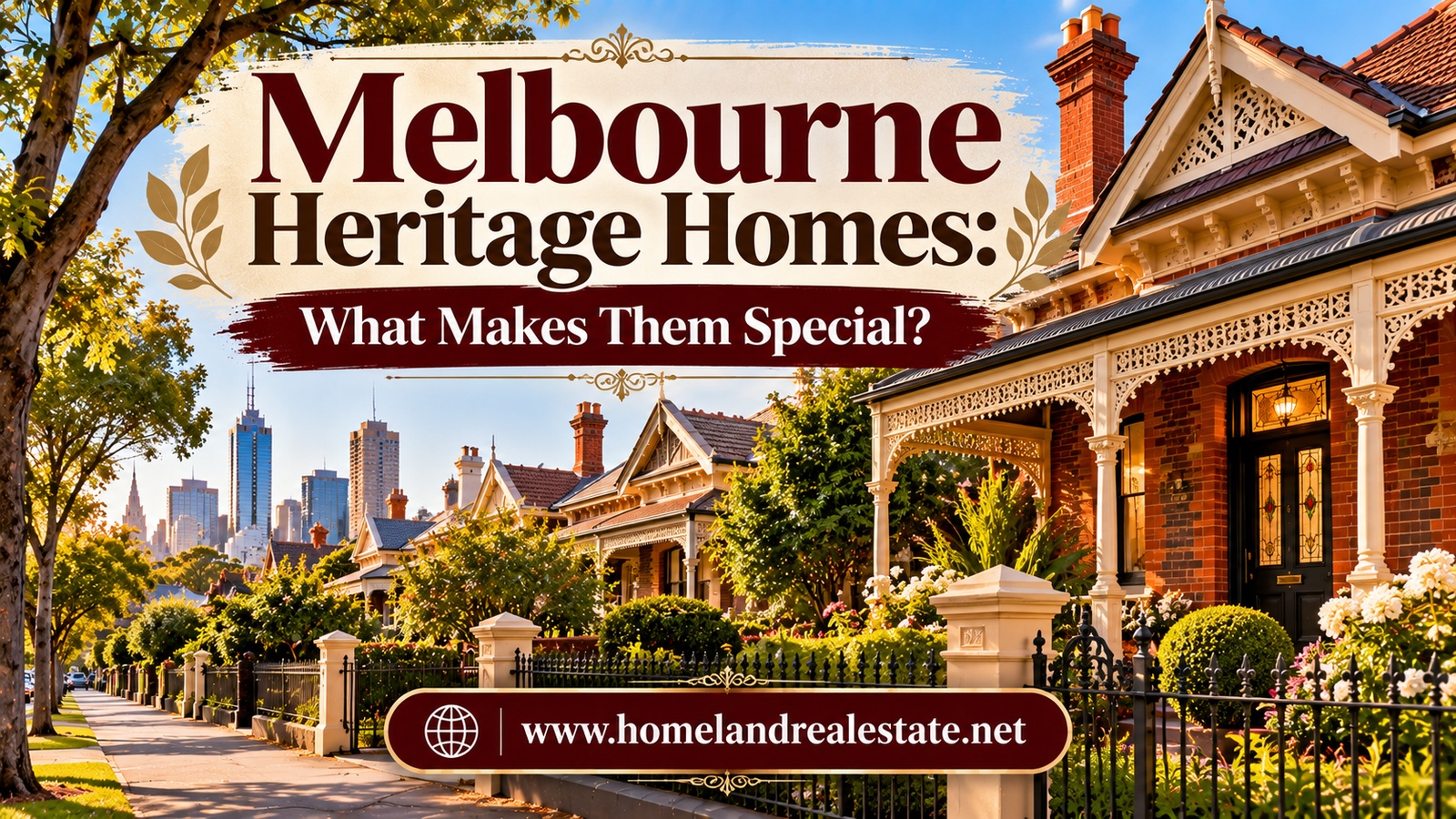
Melbourne is known for its diverse residential architecture, and heritage homes are an important part of the city’s property landscape. From detailed period facades to high ceilings, decorative fireplaces, timber features, and carefully designed rooms, these properties can offer a character that is difficult to reproduce in a newly built home.
For buyers, Melbourne heritage homes can combine architectural character with established neighbourhood settings. However, owning a period property also requires careful consideration. Age, construction materials, maintenance, renovation plans, and any heritage-related requirements can all affect the ownership experience.
Understanding what makes these properties special can help homebuyers, homeowners, and property investors decide whether a heritage residence fits their needs. The appeal is often emotional as well as practical, but buyers should balance character with condition, affordability, maintenance, and long-term suitability.
What Are Melbourne Heritage Homes?
Heritage homes are properties recognised for their architectural, historical, cultural, or streetscape significance. Melbourne has residential properties representing different architectural periods and styles, creating a varied collection of older homes across established neighbourhoods.
Not every older property is formally heritage protected. Buyers should distinguish between a home that simply has historic architectural characteristics and a property subject to specific heritage controls.
Architectural Character
One of the most appealing features of Melbourne heritage homes is their architectural detail.
Depending on the period and property, buyers may encounter features such as:
- Decorative exterior detailing
- High ceilings
- Timber floors
- Ornamental fireplaces
- Leadlight windows
- Decorative cornices
- Period doors and joinery
- Traditional roof forms
- Established gardens
These features can give a property a distinctive identity.
Established Neighbourhoods
Heritage homes are often located in established parts of Melbourne where streetscapes have developed over many decades.
Mature trees, traditional streets, parks, local shops, public transport, and community facilities can add to the overall appeal.
For buyers, this means the attraction may come from both the house and its surroundings.
Why Buyers Are Drawn to Heritage Properties
The appeal of a heritage property is often different from that of a modern house.
New homes may offer contemporary layouts, modern materials, and efficient construction. Heritage homes can provide individuality and architectural character.
Original Features Create Character
Many period homes contain craftsmanship and details that are difficult to reproduce at the same scale today.
A decorative fireplace or original timber floor can become a defining feature of a living room.
However, buyers should distinguish between attractive features and essential building components. A beautiful interior does not necessarily indicate that the property’s roof, plumbing, electrical systems, drainage, or structure are in excellent condition.
Every Property Can Be Different
One of the advantages of older homes is their individuality.
Instead of identical layouts found in some newer developments, heritage properties may have distinctive floor plans, extensions, gardens, and architectural details.
This individuality can appeal to buyers who want their home to feel different from a standard modern property.
Understanding Heritage Protection
One of the most important considerations when buying Melbourne heritage homes is understanding whether the property is subject to heritage controls.
Not Every Period Home Has the Same Restrictions
A home can look historic without having the same heritage status or requirements as another property.
Buyers should investigate the property’s planning and heritage position before making assumptions about what can be changed.
This is particularly important if you are planning an extension, facade alteration, demolition, landscaping work, or other substantial changes.
Renovation Plans Should Come Early
If your main reason for buying a heritage home is to renovate it, investigate potential requirements before committing to the property.
Professional advice can help you understand whether your proposed improvements are practical and what approvals may be required.
Do not purchase a property assuming that a particular renovation will automatically be permitted.
Maintenance Considerations for Heritage Homes
The age and construction of a property can affect maintenance requirements.
A heritage residence may contain materials and building systems that require specialised knowledge or careful repair.
Look Beyond Cosmetic Appearance
During a property inspection, buyers should look beyond painted walls and restored decorative features.
Important areas to assess can include:
- Roof condition
- Gutters and drainage
- External walls
- Foundations and structural elements
- Plumbing
- Electrical systems
- Windows and doors
- Flooring
- Moisture and ventilation
- Extensions and additions
A professional building inspection can help identify issues that may not be visible during a standard viewing.
Original Materials May Need Care
Period materials can have different maintenance requirements from modern products.
Replacing an original feature may not always be straightforward, particularly if maintaining the property’s character is important.
Homeowners should understand the condition of important original elements before budgeting for future work.
Renovating Melbourne Heritage Homes
Renovating a heritage property can be rewarding, but it requires careful planning.
Balance Character With Modern Living
Many buyers want the best of both worlds: traditional architectural character combined with modern comfort.
A renovation might involve updating kitchens, bathrooms, lighting, storage, heating and cooling, or living spaces while retaining important period details.
The challenge is creating a functional home without unnecessarily removing features that give the property its identity.
Extensions Require Careful Planning
An extension can provide valuable additional living space for a growing family.
However, the design needs to work with the existing building and any applicable heritage or planning requirements.
Consider the relationship between old and new sections, natural light, access, ventilation, outdoor areas, and the overall floor plan.
Professional architectural and planning advice can be valuable before undertaking major work.
Energy Efficiency and Modern Comfort
Older homes may require improvements to provide modern levels of comfort.
Buyers should examine insulation, windows, heating and cooling systems, ventilation, and other factors that influence energy use and indoor comfort.
Upgrade Carefully
Energy-efficiency improvements can make a home more comfortable, but heritage considerations may influence how certain changes can be carried out.
For example, replacing original windows or altering external elements may require careful consideration.
A practical improvement strategy should focus on both comfort and the property’s architectural character.
Comparing Heritage and Modern Homes
The differences between period and modern properties can help buyers decide which type better suits their lifestyle.
| Factor | Heritage Home | Modern Home |
| Character | Often distinctive period features | Usually contemporary design |
| Layout | May have traditional room arrangements | Often designed for modern lifestyles |
| Maintenance | Can require specialised or ongoing care | Depends on age and construction |
| Renovation | May require additional planning | Often easier to adapt, depending on property |
| Outdoor areas | Varies by property | Varies by development and location |
| Energy efficiency | May require upgrades | Often incorporates newer systems |
| Individuality | Often strong architectural identity | Can vary depending on development |
This is a general comparison. The condition and design of an individual property are more important than age alone.
Location and Lifestyle Benefits
The appeal of Melbourne heritage homes is often closely connected to their locations.
Established neighbourhoods can offer access to public transport, parks, local shopping, schools, cafes, community facilities, and employment areas.
Walkability Can Add Value to Daily Life
A heritage home located near everyday services may provide a highly convenient lifestyle.
Before buying, walk around the neighbourhood and consider how easily you can reach the places you use regularly.
Check transport routes, shopping, parks, schools, healthcare, and other important facilities.
Look at the Entire Streetscape
For buyers attracted to heritage architecture, the surrounding streetscape can be as important as the individual home.
Consider the condition of neighbouring properties, trees, public spaces, traffic, parking, and the overall character of the area.
A property with beautiful architectural features can be even more appealing when its surroundings complement the home’s character.
Financing a Heritage Property
Buying an older home requires the same careful financial planning as any other property purchase, with additional attention to potential maintenance and renovation costs.
Budget Beyond the Mortgage
Homebuyers should consider:
- Mortgage repayments
- Insurance
- Property-related taxes and charges
- Utilities
- Repairs
- Maintenance
- Renovation costs
- Landscaping
- Professional inspection and advisory costs where applicable
A heritage home that requires significant work may have a substantially different total ownership cost from a move-in-ready property.
Keep a Renovation Buffer
If improvements are part of your plan, allow room for unexpected expenses.
Older buildings can reveal additional issues once walls, floors, roofs, or other components are inspected more closely.
A realistic renovation budget should include contingency for unforeseen work.
Heritage Homes as Investments
Melbourne heritage homes can attract investors because of their distinctive architecture, established locations, and potential appeal to buyers or tenants seeking character.
However, heritage status or architectural charm does not guarantee investment performance.
Consider Tenant and Buyer Appeal
A period home may appeal to households that value character, location, outdoor space, and unique design.
But investors should assess the property based on its complete financial profile.
Consider acquisition costs, financing, maintenance, insurance, potential renovation expenses, rental suitability, vacancy risk, and broader market conditions.
Maintenance Can Affect Returns
Older homes may require more ongoing attention than some newer properties.
Investors should understand likely maintenance requirements before purchasing and avoid assuming that architectural appeal will compensate for unexpected costs.
What Buyers Should Check Before Purchasing
Before purchasing a heritage property, conduct thorough due diligence.
Check the Property’s Heritage Position
Determine whether the property has heritage-related controls and understand how they may affect your intended renovations.
Inspect the Building
Obtain an appropriate professional inspection and pay attention to structural condition, moisture, roofing, drainage, plumbing, electrical systems, and previous alterations.
Review Previous Renovations
Ask about extensions, renovations, repairs, and other major work where relevant.
A property may contain a combination of original construction and later additions, and understanding that history can help you plan future maintenance.
Think About Your Long-Term Goals
Consider whether you want to preserve the property largely as it is or modernise it while retaining its character.
Your renovation goals should influence which property you choose.
Tips for Homeowners Considering Improvements
If you already own a heritage property, improvements should begin with a clear understanding of the home’s existing character.
Preserve Important Features
Where practical, original features can be incorporated into modern improvements rather than removed.
Restoring timber floors, repairing decorative elements, improving storage discreetly, or upgrading lighting can modernise a home while retaining its personality.
Plan Before Starting Work
Avoid beginning major renovations without understanding the building, the proposed design, the likely costs, and any applicable requirements.
Working with professionals experienced in older properties can help reduce avoidable mistakes.
Why Heritage Homes Remain Special
The appeal of Melbourne heritage homes comes from their combination of history, architecture, craftsmanship, location, and individuality.
A heritage property can offer a sense of identity that is difficult to achieve with a standard modern development.
At the same time, owning one requires realistic expectations. Character comes with responsibility. Buyers need to understand maintenance, renovation limitations, building condition, and the financial commitment involved.
The most suitable heritage home is not simply the one with the most attractive facade. It is the one whose condition, location, architecture, costs, and renovation potential align with your needs.
Frequently Asked Questions
1. What makes Melbourne heritage homes different from modern properties?
Melbourne heritage homes often feature period architecture, original materials, distinctive layouts, decorative details, and established streetscape character that may not be found in newer properties.
2. Are all older Melbourne homes heritage protected?
No. A property can be old or have period features without necessarily being subject to the same heritage controls as a formally recognised heritage property.
3. Can I renovate a Melbourne heritage home?
Renovation may be possible, but the scope of permitted work can depend on the property’s heritage and planning circumstances, so buyers should investigate requirements before purchasing or renovating.
4. Are heritage homes expensive to maintain?
Maintenance costs vary by property, but older homes can require additional attention to roofing, drainage, plumbing, electrical systems, external materials, and original architectural features.
5. Are Melbourne heritage homes good investments?
They can appeal to certain buyers and tenants because of their character and locations, but investors should independently assess purchase costs, maintenance, financing, rental suitability, market conditions, and investment risks.