

London offers a wide range of neighbourhoods, each with its own character, transport connections, property choices, and lifestyle. For young professionals, choosing where to live often involves balancing work, social life, commuting, housing costs, and long-term plans.
The Best London Neighbourhoods for Young Professionals are not necessarily the same for everyone. Some people may prioritise fast access to business districts, while others may prefer restaurants, nightlife, green spaces, cultural attractions, or a quieter residential setting.
Property type also matters. A young professional may be looking for a modern apartment close to public transport, a period flat with character, or a shared property that provides more space within a particular budget.
Whether you are renting initially, planning to buy your first London property, or considering a residential investment, understanding the differences between neighbourhoods can help you make a more informed decision.
What Makes a London Neighbourhood Suitable for Young Professionals?
Before choosing among the Best London Neighbourhoods for Young Professionals, it helps to identify the features that matter most.
Transport Connectivity
Commuting can have a major influence on your daily routine.
A neighbourhood with convenient Underground, Overground, rail, bus, or other transport connections may make it easier to reach your workplace and other parts of London.
However, do not judge an area only by its station. Consider the complete journey from your home to your workplace.
Local Amenities
Young professionals often want convenient access to supermarkets, restaurants, cafés, gyms, entertainment, parks, and other everyday services.
A neighbourhood with amenities within walking distance can reduce the need for additional travel and make daily life more convenient.
Property Choice
Different neighbourhoods offer different housing options.
You may find modern apartment developments in some areas, while others have converted period buildings, terraces, purpose-built flats, or larger residential properties.
The right choice depends on your budget, preferred lifestyle, and future plans.
Best London Neighbourhoods for Young Professionals
There is no single neighbourhood that suits every young professional. The following areas offer different combinations of connectivity, amenities, housing options, and lifestyle.
Canary Wharf

Canary Wharf is particularly relevant to professionals working in London’s financial and business sectors.
The area is known for its modern architecture, high-rise residential buildings, offices, restaurants, retail facilities, and transport connections.
Image credit: frasershospitality.com
Property Options in Canary Wharf
Modern apartments are an important part of the local residential market. Buyers and renters can find properties with contemporary layouts and apartment-building facilities, although the exact features vary between developments.
For a professional who values proximity to a major business district, the location can be attractive.
Lifestyle Considerations
Canary Wharf provides a distinctly modern urban environment.
Its restaurants, shops, riverside areas, and transport connections can appeal to professionals who prefer a convenient city lifestyle.
However, buyers should consider whether the neighbourhood’s modern high-rise character matches their personal preferences.
Shoreditch

Shoreditch is well known for its creative atmosphere, independent businesses, restaurants, cafés, nightlife, and proximity to central London.
It can appeal to professionals who want a lively environment and convenient access to the wider city.
Image credit: thestageshoreditch.com
Property Options
The residential market includes apartments, converted properties, and other urban housing options.
Property condition can vary considerably, particularly in converted or older buildings, so buyers should inspect the property and understand potential maintenance requirements.
Who Might Prefer Shoreditch?
Shoreditch may suit professionals who prioritise social activity, restaurants, cultural experiences, and city-centre accessibility.
Those looking for a quieter residential environment may want to compare it with neighbourhoods farther from the centre.
Clapham
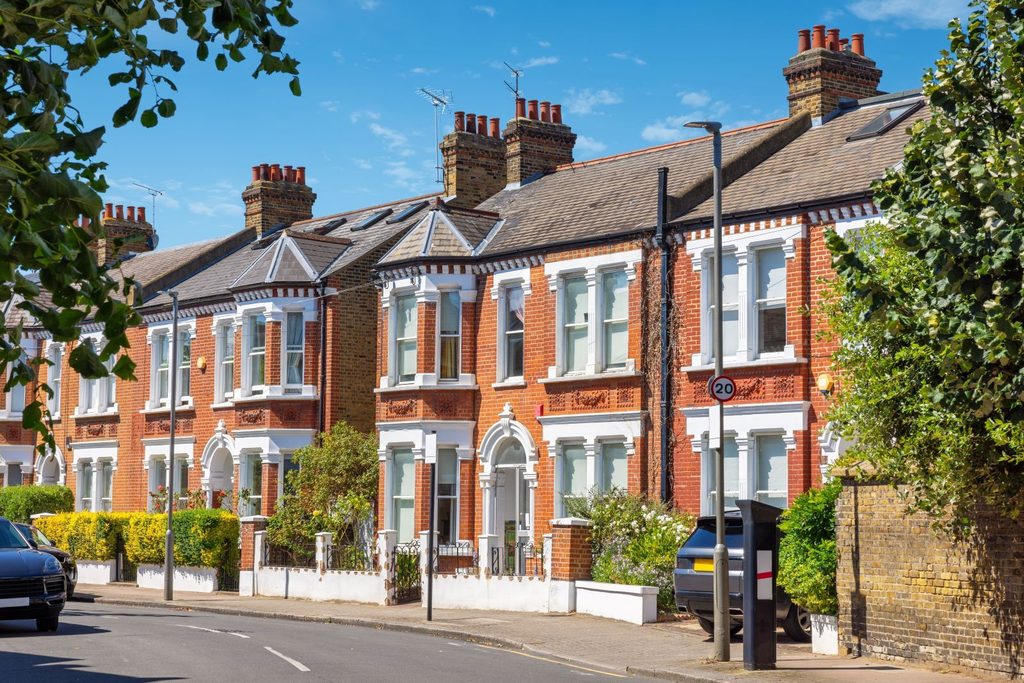
Clapham combines residential streets with restaurants, cafés, pubs, shops, and access to green space.
Its balance between urban convenience and residential character makes it worth considering for professionals who want more than a purely central environment.
Image credit: sothebysrealty.co.uk
Housing in Clapham
The area includes flats, converted properties, and houses in different styles.
Buyers should compare properties based on condition, layout, transport access, and proximity to local amenities rather than relying on the neighbourhood name alone.
Lifestyle
Clapham can provide a useful combination of social opportunities and outdoor space.
Professionals who enjoy parks and an active social environment may find the area particularly interesting.
Battersea

Battersea has experienced significant residential development alongside established streets and local amenities.
The neighbourhood offers access to green spaces and riverside areas while remaining connected to central London.
Image credit: batterseapowerstation.co.uk
Property Choices
Battersea includes apartments, period properties, and newer residential developments.
Newer properties may offer modern layouts and facilities, while older homes can provide different architectural characteristics.
If you are considering a new-build apartment, review service charges, building management, specifications, and future maintenance responsibilities carefully.
Islington

Islington offers a mixture of residential streets, restaurants, cafés, theatres, shops, and convenient transport connections.
It can appeal to professionals who want access to central London without living in the most intensely commercial parts of the city.
Image credit: timeout.com
Residential Property
Property types include flats, converted homes, period properties, and other residential options.
The condition and layout of older properties can vary, making professional inspections particularly useful when purchasing.
Lifestyle Balance
Islington can provide a strong mix of workday convenience and leisure options.
Its location can also make it practical for professionals who regularly travel around central and north London.
London Fields and Hackney

Hackney and areas around London Fields offer a mixture of residential streets, parks, cafés, restaurants, independent businesses, and cultural activity.
These neighbourhoods can be attractive to professionals who want a more local and community-oriented urban environment.
Image credit: climpsonandsons.com
Property Considerations
The area includes flats, period homes, converted properties, and other residential formats.
When buying, consider the exact street and immediate surroundings because neighbourhood character can change considerably within a relatively short distance.
Fulham
Fulham provides a more residential environment while remaining well connected to central London.
It can appeal to young professionals who want access to restaurants, shops, green spaces, and residential streets.
Housing Options
The property market includes flats, converted properties, and houses.
For buyers, the availability of different property types can make it possible to compare homes according to space, condition, and long-term needs.
Lifestyle
Fulham may be particularly suitable for professionals who want a neighbourhood atmosphere rather than a highly concentrated central-city setting.
Richmond
Richmond provides a very different lifestyle from areas such as Shoreditch or Canary Wharf.
The area is known for its green spaces, riverside environment, established residential character, and access to London.
Property Choices
Richmond includes flats, period properties, houses, and other residential options.
For professionals considering purchasing rather than renting, the area can be worth exploring if access to green space and a quieter environment are important priorities.
Commuting Considerations
Before buying, check your specific route to work.
A neighbourhood can appear attractive on paper but may be less convenient if your workplace requires multiple connections.
London Neighbourhood Comparison
The following table provides a broad comparison of some of the Best London Neighbourhoods for Young Professionals.
| Neighbourhood | Lifestyle Character | Property Options | Particularly Relevant For |
| Canary Wharf | Modern, business-focused | Modern apartments | Finance and business professionals |
| Shoreditch | Creative and lively | Flats and converted properties | Social and creative professionals |
| Clapham | Residential and social | Flats, houses, conversions | Professionals wanting green space |
| Battersea | Urban and residential | Apartments and houses | Buyers seeking newer and established property |
| Islington | Central and lively | Flats and period properties | Central London commuters |
| Hackney | Local and creative | Flats and period homes | Professionals seeking culture and community |
| Fulham | Residential and active | Flats and houses | Buyers wanting a balanced lifestyle |
| Richmond | Green and residential | Flats and houses | Professionals prioritising outdoor space |
This is a general comparison. Individual streets and properties can differ significantly.
Buying Property as a Young Professional
Renting is not the only option for professionals establishing themselves in London.
If you are considering purchasing a home, begin by understanding your finances.
Assess Your Mortgage Budget
Your maximum mortgage capacity is not necessarily the same as a comfortable monthly budget.
Consider your deposit, mortgage repayments, transaction costs, insurance, maintenance, utilities, and other regular expenses.
A property should remain financially manageable even when unexpected household costs arise.
Consider Future Plans
Think beyond your current job.
You may change employers, work remotely, start a family, or require additional space in the future.
A small city-centre apartment may work well for your current lifestyle but become less suitable if your needs change.
Examine the Property Carefully
Do not make a purchase decision based only on photographs.
Inspect the property’s condition, layout, storage, natural light, windows, heating, plumbing, and other relevant features.
For flats, also examine service charges, lease information, building management, and maintenance arrangements.
What Property Investors Should Consider
The Best London Neighbourhoods for Young Professionals can also attract property investors because professionals are an important residential tenant group.
However, investors should avoid assuming that a popular neighbourhood automatically guarantees strong investment performance.
Understand Local Rental Demand
Rental demand can differ between streets, property types, and tenant groups.
A one-bedroom apartment near transport may appeal to a different market from a larger house suitable for professional sharers.
Research the specific property type you intend to purchase.
Calculate All Ownership Costs
Potential rental income should be assessed alongside mortgage costs, maintenance, insurance, management expenses, service charges, taxes, and potential periods without rental income.
This provides a more realistic picture of the property’s financial position.
Consider Property Condition
A property requiring substantial renovation may offer opportunities for improvement, but refurbishment can also involve additional costs, delays, and unexpected work.
Obtain appropriate professional advice before committing to major renovation plans.
How to Choose the Right Neighbourhood
Start With Your Workplace
Identify the areas where you regularly need to travel.
Then investigate neighbourhoods that provide practical transport routes.
Set Your Property Priorities
Make a list of your non-negotiable requirements.
These might include:
- Maximum budget
- Number of bedrooms
- Outdoor space
- Home-office area
- Parking
- Transport access
- Building type
- Local amenities
- Quiet surroundings
- Investment potential
This makes property searches more focused.
Visit Before Buying
Spend time in the neighbourhood during weekdays and weekends.
Look at the streets surrounding the property rather than only visiting the building itself.
Check noise, traffic, shops, restaurants, parks, transport, and general convenience.
Common Mistakes to Avoid
One common mistake is choosing a neighbourhood solely because it is considered fashionable.
A popular area may not meet your personal requirements.
Another mistake is focusing exclusively on the purchase price. Ownership costs can significantly affect affordability.
Buyers should also avoid ignoring transport details. A neighbourhood that looks close to work geographically may not provide the most convenient public transport route.
Finally, do not rush into a property simply because it looks attractive online. A physical inspection and appropriate due diligence remain important.
Frequently Asked Questions
1. Which London neighbourhoods are popular with young professionals?
Areas such as Canary Wharf, Shoreditch, Clapham, Battersea, Islington, Hackney, Fulham, and Richmond offer different combinations of transport, amenities, housing, and lifestyle.
2. Should young professionals buy or rent in London?
The choice depends on finances, employment plans, deposit availability, intended length of stay, and personal circumstances.
3. What type of property is suitable for a young professional?
Flats and apartments are common choices, but the right property depends on budget, space requirements, commuting needs, and future plans.
4. What should investors consider when targeting professional tenants?
Investors should assess local rental demand, transport access, property type, tenant preferences, ownership costs, maintenance requirements, and the property’s overall financial suitability.
5. What is the most important factor when choosing a London neighbourhood?
There is no single factor that works for everyone, but transport, affordability, property suitability, local amenities, neighbourhood character, and long-term lifestyle requirements are important considerations.