
Dubai’s strong tourism sector, international visitor base, and wide range of residential communities have created an active market for short-term accommodation. For property owners and investors, this can make short-term rental properties in Dubai an interesting option alongside traditional long-term residential leasing.
However, location is one of the most important factors in determining whether a short-term rental property is practical to operate. Visitors usually value convenient access to attractions, beaches, shopping, restaurants, public transportation, business districts, and entertainment. A well-located apartment can therefore appeal to a different guest profile from a home situated farther from major visitor destinations.
Popular areas such as Downtown Dubai, Dubai Marina, Jumeirah Beach Residence, Palm Jumeirah, Business Bay, and Dubai Creek Harbour each offer different advantages. The right choice depends on the type of guests you want to attract, the property itself, operating costs, and your investment objectives.
Before purchasing, owners should also understand Dubai’s holiday home regulations. Apartments and villas must be registered and approved by Dubai’s Department of Economy and Tourism (DET) before being listed as holiday homes.
This guide explores some of the best areas in Dubai for short-term rental properties and the factors investors should consider before making a purchase.
What Makes an Area Suitable for Short-Term Rentals?
A short-term rental property is different from a conventional long-term home. Guests usually make decisions based on convenience, experience, location, amenities, and accessibility.
The strongest locations tend to place visitors within practical reach of the attractions and facilities they want to use.
Key Factors to Consider
When evaluating short-term rental properties in Dubai, consider:
- Proximity to tourist attractions
- Access to public transportation
- Nearby restaurants and cafés
- Shopping facilities
- Beaches and leisure activities
- Business districts
- Building amenities
- Apartment layout
- Parking availability
- Property management requirements
- Holiday home eligibility and permits
- Purchase and operating costs
A desirable neighbourhood does not automatically make every apartment a suitable short-term rental. The building, unit, view, layout, condition, and operating costs also matter.
Downtown Dubai
Downtown Dubai is one of the most recognisable areas in the city and can be attractive to visitors who want to stay close to major attractions, shopping, restaurants, and entertainment.
Its central location makes it relevant to several guest groups, including tourists, business travellers, couples, and families.
Why Downtown Appeals to Short-Term Guests
Visitors often choose central accommodation because it can simplify access to major attractions and activities.
For a short-term rental owner, an apartment in Downtown may benefit from:
- Central positioning
- Access to major attractions
- Shopping and dining options
- Public transport connections
- High-rise residential developments
- Different apartment configurations
However, investors should not assume that every Downtown property will perform in the same way. Floor level, views, building facilities, apartment size, furnishing, and management quality can influence guest appeal.
Dubai Marina
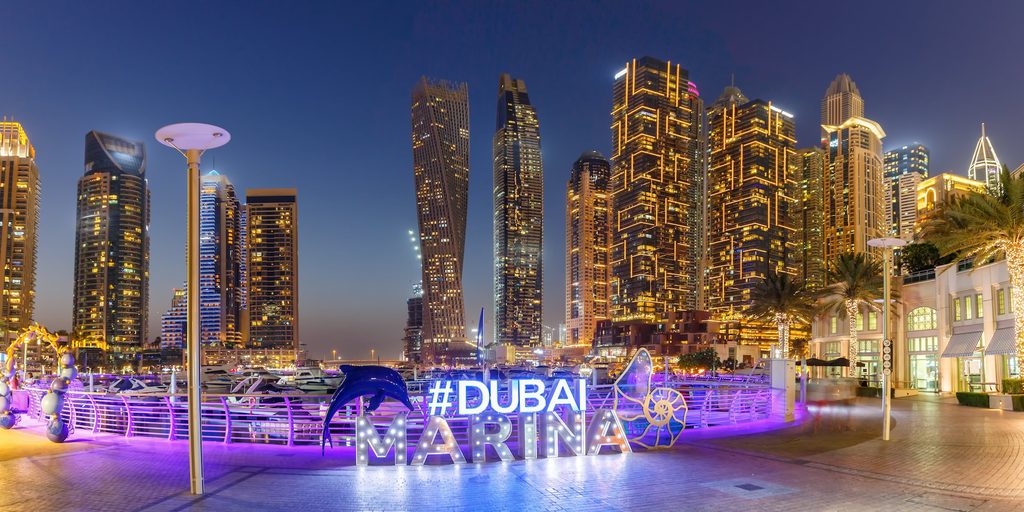
Dubai Marina offers a very different visitor experience.
The waterfront community combines residential towers, restaurants, cafés, leisure facilities, pedestrian areas, and marina views. This makes it particularly relevant to travellers looking for a holiday-oriented environment.
Image credit: egypttoursplus.com
Why Dubai Marina Can Attract Visitors
Guests may appreciate being close to waterfront activities, restaurants, beaches, and entertainment.
For property investors, an apartment’s specific position within the community matters. A unit with convenient access to attractions may have a different appeal from one located farther from the main activity areas.
When evaluating a Dubai Marina short-term rental, examine the apartment’s view, building facilities, access, noise levels, parking, and overall condition.
Jumeirah Beach Residence
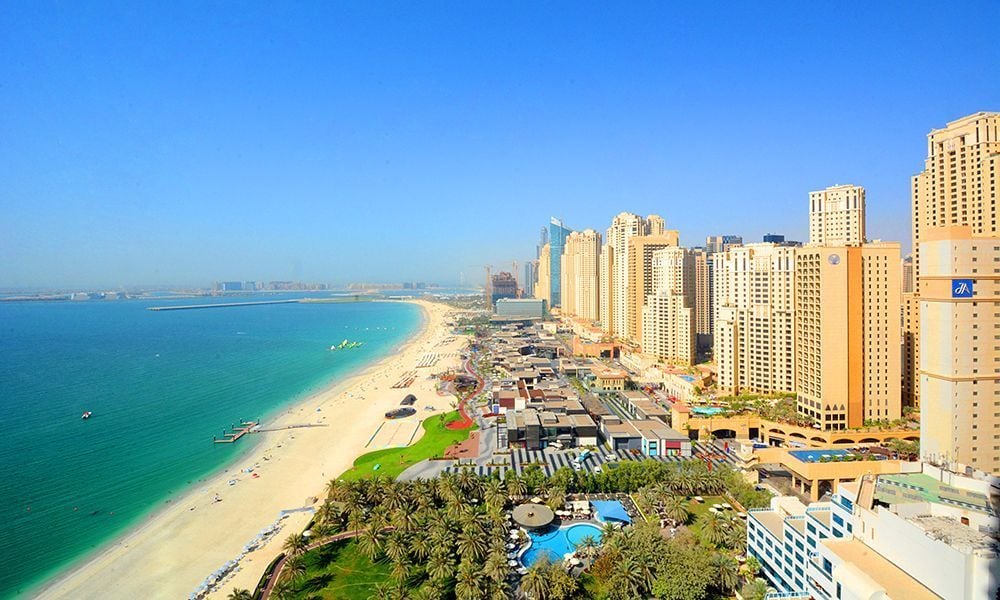
Jumeirah Beach Residence, commonly known as JBR, offers a beachside residential environment with hotels, shops, restaurants, and leisure facilities. Visit Dubai describes JBR as a self-contained beachside residential district located between the Arabian Gulf and Dubai Marina.
This combination can make the area relevant to visitors who want a holiday atmosphere without being far from the city’s wider attractions.
Image credit: luxhabitat.ae
Property Considerations in JBR
Investors should look closely at the individual building and apartment.
Important factors include:
- Distance from the beach
- Access to JBR Walk
- Apartment size
- Balcony or outdoor space
- Sea or community views
- Building maintenance
- Guest access arrangements
- Parking
- Noise levels
Because JBR is an active visitor destination, investors should also consider whether the property’s location suits guests who prefer a lively environment.
Palm Jumeirah
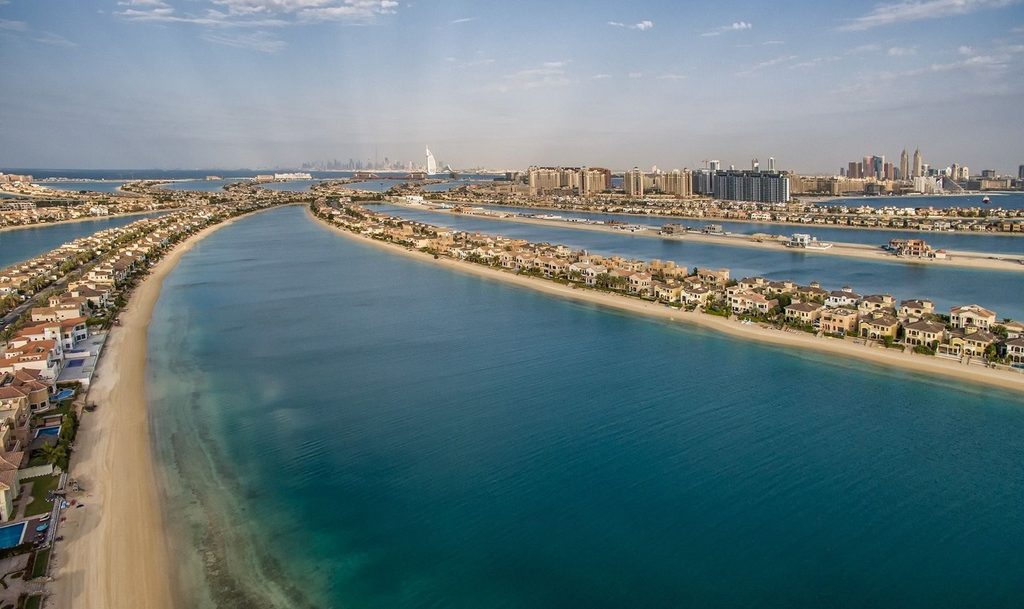
Palm Jumeirah is another prominent destination for short-term rental properties in Dubai.
The island’s waterfront setting, resorts, restaurants, beaches, and distinctive residential developments can appeal to holidaymakers looking for a leisure-focused stay.
Image credit: luxhabitat.ae
Waterfront Appeal
Properties on Palm Jumeirah can offer different experiences depending on their location and design.
Some visitors may prioritise beachfront access, while others may prefer views, restaurants, resort-style facilities, or convenient access to other parts of Dubai.
Investors should therefore avoid treating the entire Palm as one homogeneous property market.
The specific building, apartment orientation, access, amenities, and guest experience all deserve consideration.
Business Bay
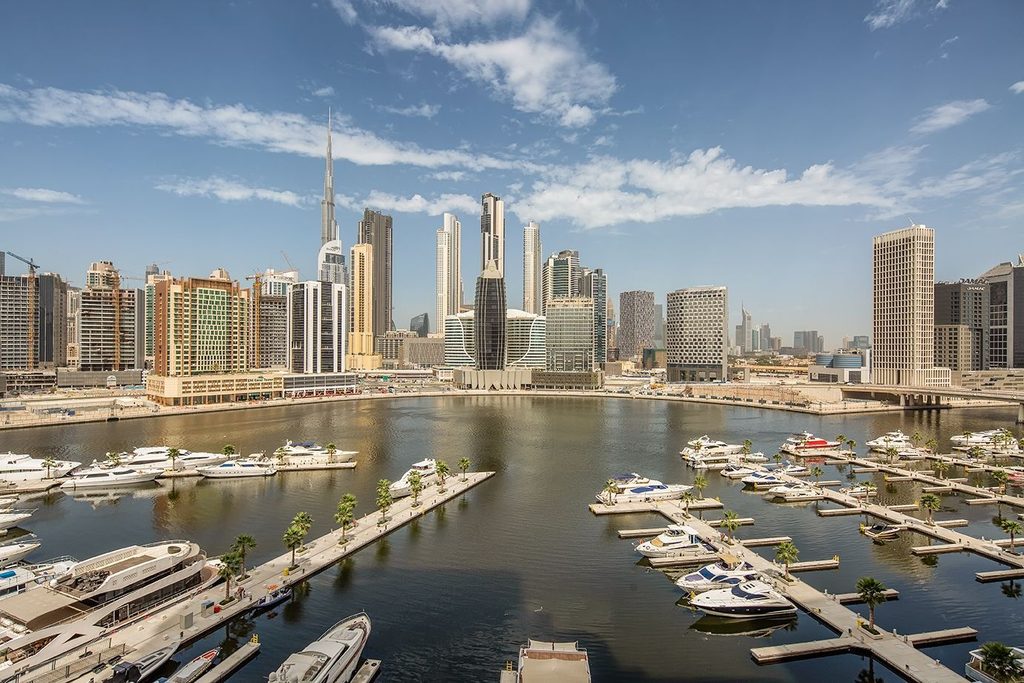
Business Bay offers a more urban environment and can appeal to a combination of business and leisure visitors.
Its proximity to Downtown Dubai makes it relevant to guests who want access to central attractions while considering accommodation outside the immediate Downtown area.
Image credit: luxhabitat.ae
Business and Leisure Demand
Short-term rental investors may find the area’s mixed appeal useful when evaluating potential guest profiles.
However, the property itself remains critical. Guests booking a short stay often pay close attention to building quality, transport access, workspace, Wi-Fi availability, apartment layout, and proximity to restaurants and services.
For an investor, these features can influence the property’s suitability for different types of visitors.
Dubai Creek Harbour
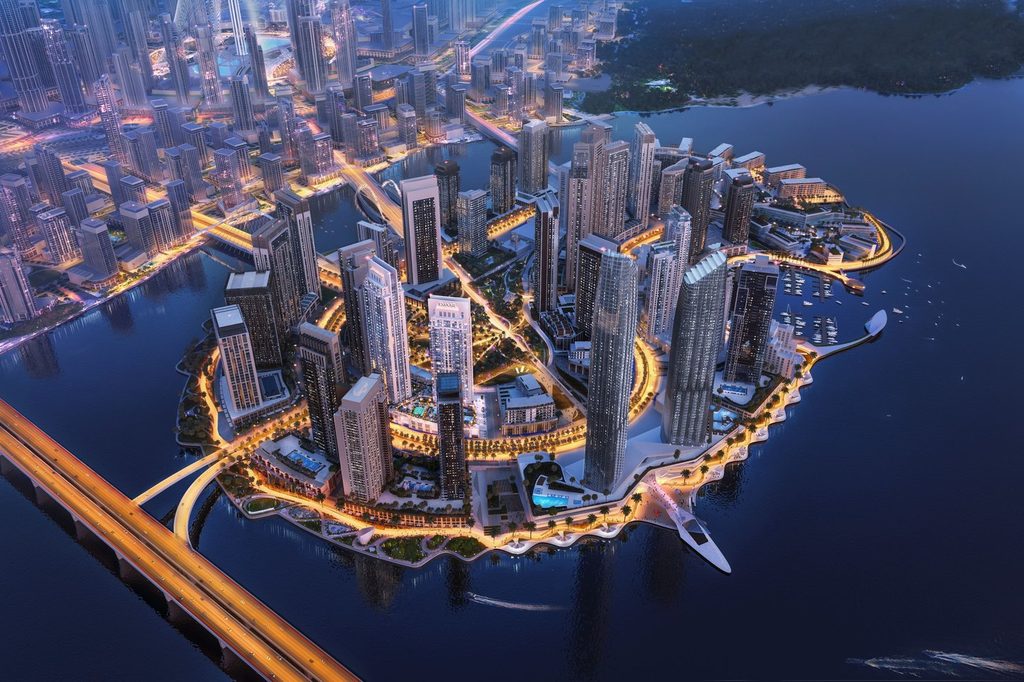
Dubai Creek Harbour represents a newer style of waterfront urban development.
The area combines residential properties with waterfront surroundings, dining, leisure, and views across parts of Dubai.
Image credit: luxhabitat.ae
Consider the Development Stage
When evaluating a newer community, investors should consider how developed the surrounding amenities are at the time of purchase.
A future development plan may sound attractive, but short-term rental guests generally make decisions based on what is available during their stay.
For that reason, buyers should distinguish between existing amenities and planned facilities.
Dubai Hills Estate
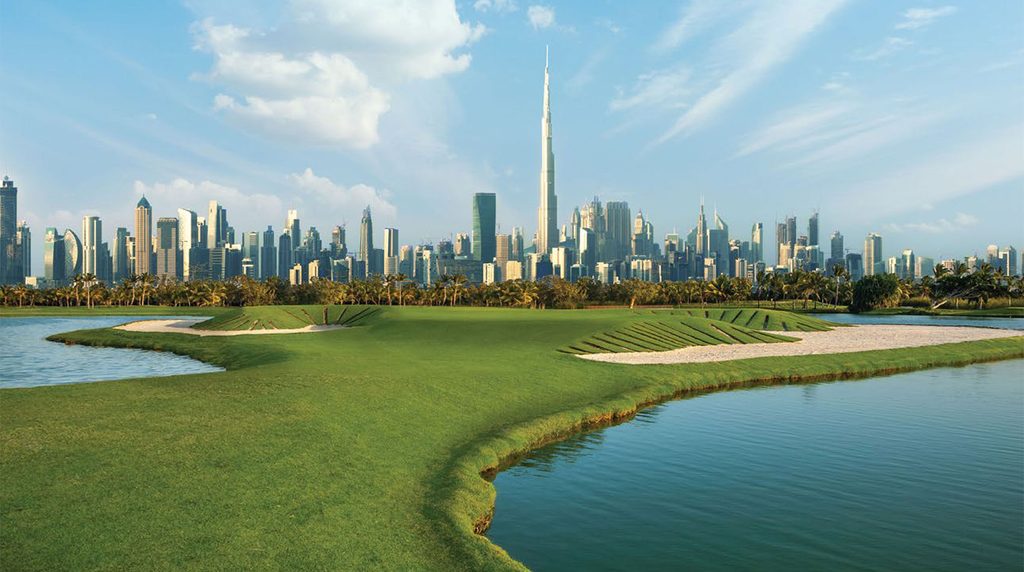
Dubai Hills Estate is primarily known as a modern residential community rather than a traditional tourist district.
That does not necessarily exclude it from consideration for short-term accommodation, but the guest profile can be different from that of Downtown, Marina, or JBR.
Image credit: famproperties.com
Who Could Stay Here?
Depending on the property and applicable regulations, potential guests could include families, professionals, visitors attending activities nearby, or people seeking a quieter residential environment.
Investors should carefully assess whether the location matches the target guest and whether short-term operation is permitted for the particular unit.
Comparing Popular Areas
The following comparison provides a general framework for investors. Individual buildings and properties can differ considerably.
| Area | Main Appeal | Potential Guest Profile | Key Property Consideration |
| Downtown Dubai | Central attractions and shopping | Tourists, business travellers, families | View, building quality and central access |
| Dubai Marina | Waterfront lifestyle | Leisure travellers, couples, families | Marina access, views and amenities |
| JBR | Beach and entertainment | Holidaymakers and families | Beach proximity and activity levels |
| Palm Jumeirah | Resort-style waterfront setting | Leisure and luxury travellers | Beach access, views and building facilities |
| Business Bay | Urban and business location | Professionals and leisure visitors | Connectivity and apartment quality |
| Dubai Creek Harbour | New waterfront community | Leisure and city visitors | Existing amenities and development stage |
| Dubai Hills Estate | Modern residential environment | Families and longer-stay visitors | Community facilities and guest suitability |
Understand Dubai’s Holiday Home Regulations
Before purchasing a property for short-term rental, investors need to understand the applicable rules.
Dubai’s DET states that apartments and villas must be registered and approved before they can be listed as holiday homes.
Owners or professional operators use the relevant DET Holiday Homes system to register properties and manage permits. DET also provides procedures covering registration, classification, renewal, and other holiday-home services.
Check the Property Before Buying
Do not assume that a residential apartment can automatically be operated as a short-term rental.
Before completing a purchase, verify:
- Whether the property can be used as a holiday home
- Applicable building or developer requirements
- Required approvals
- Permit requirements
- Property management arrangements
- Insurance requirements
- Operating obligations
- Permit renewal requirements
The regulatory framework can change, so buyers should confirm the current requirements with the relevant authority before operating a property.
Short-Term Rental Costs
Revenue is only one part of the investment calculation.
A Dubai short-term rental property can involve costs associated with furnishing, cleaning, maintenance, guest management, marketing, utilities, property management, insurance, and applicable permits or fees.
Furnishing Matters
Unlike many long-term rental properties, short-term accommodation generally needs to be presented as a ready-to-use home.
Investors may need to budget for:
- Furniture
- Kitchen equipment
- Bedding
- Towels
- Lighting
- Internet
- Appliances
- Décor
- Maintenance
- Cleaning
The quality of the guest experience can influence reviews and repeat interest, but owners should balance improvements against the property’s overall economics.
Short-Term Versus Long-Term Rental
Investors should compare short-term and long-term strategies rather than automatically assuming that nightly rentals are more attractive.
| Factor | Short-Term Rental | Long-Term Rental |
| Guest turnover | Higher | Lower |
| Management | More active | Generally less frequent |
| Furnishing | Usually fully furnished | Depends on lease arrangement |
| Income variability | Can fluctuate | Often more predictable during lease |
| Maintenance | Frequent guest-related attention | Usually less frequent |
| Target occupants | Visitors and temporary residents | Longer-term tenants |
| Regulatory requirements | Holiday-home rules apply | Different leasing framework |
The appropriate model depends on the property, owner’s objectives, operating capacity, and market conditions.
Financing a Short-Term Rental Property
If you are using a home loan in Dubai, calculate the complete cost of ownership before purchasing.
Do not base affordability on an assumed future occupancy rate or optimistic rental income.
Consider:
- Down payment
- Mortgage repayments
- Financing costs
- Property transaction expenses
- Service charges
- Furnishing
- Utilities
- Cleaning
- Maintenance
- Management fees
- Permit-related costs
- Insurance
- Periods without bookings
A conservative financial model can help investors understand how the property might perform under different occupancy and expense scenarios.
How to Select the Right Property
Choosing the right neighbourhood is only the first step.
Examine the Building
Two buildings in the same area can provide very different guest experiences.
Check the condition of common areas, elevators, lobby, swimming pool, gym, parking, security, and access arrangements.
Examine the Apartment
Look at:
- Floor plan
- Bedroom configuration
- Natural light
- Views
- Balcony
- Storage
- Kitchen
- Appliances
- Furniture requirements
- Noise
The property should be comfortable and practical for the intended guest profile.
Think About Guest Experience
Visitors often want convenience.
A property that makes it easy to reach attractions, restaurants, transportation, and everyday services can be more practical than a home with an impressive view but limited accessibility.
Risks Investors Should Consider
Short-term rental property investment has potential benefits, but it also carries risks.
Occupancy can fluctuate. Seasonal demand can affect bookings. Operating expenses can change. Competition from other accommodation providers can influence pricing.
Regulatory requirements may also evolve.
Property owners should therefore avoid building an investment plan around guaranteed occupancy, guaranteed rental income, or assumed capital appreciation.
A realistic financial assessment should include periods of lower demand and unexpected maintenance costs.
FAQs
1. Which areas are popular for short-term rental properties in Dubai?
Downtown Dubai, Dubai Marina, JBR, Palm Jumeirah, Business Bay, and other established or visitor-oriented communities can be considered, but suitability depends on the individual property and target guest.
2. Can any Dubai apartment be used as a short-term rental?
No. Apartments and villas must be registered and approved by Dubai’s Department of Economy and Tourism before being listed as holiday homes, and owners should confirm the applicable requirements for their specific property.
3. Is a short-term rental better than a long-term rental?
Neither strategy is automatically better. Short-term rentals can provide access to visitor demand but generally involve more active management, operating costs, and variable occupancy than traditional long-term leasing.
4. What should investors check before buying a Dubai short-term rental property?
Investors should examine location, building quality, unit layout, guest demand, operating costs, furnishing requirements, financing, management arrangements, and current holiday-home regulations.
5. Can short-term rental income be guaranteed?
No. Occupancy, nightly rates, competition, seasonality, operating expenses, and market conditions can change, so investors should use conservative assumptions when evaluating potential returns.